SpaceX Reveals Early AI Smartphone Prototype to Investors Ahead of IPO
SpaceX has unveiled a slim AI-powered smartphone prototype to investors, showcasing plans to integrate proprietary software and AI technology from its xAI unit.


SpaceX has unveiled a slim AI-powered smartphone prototype to investors, showcasing plans to integrate proprietary software and AI technology from its xAI unit.
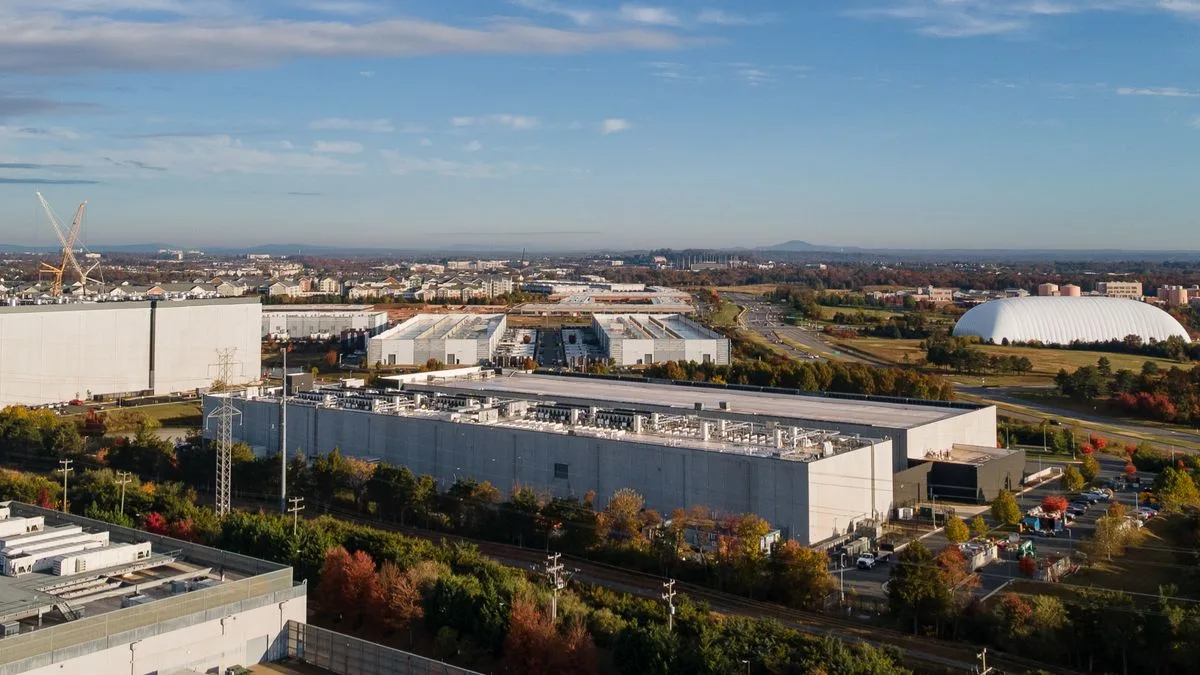
Meta aims to monetize its excess AI computing capacity by offering cloud services, positioning itself against established players like AWS, Google Cloud, and Microsoft Azure.

Meta’s reliance on Google’s Gemini AI has hindered its own AI development, revealing serious challenges amid escalating costs and internal turmoil.

Entrepreneur Bhavin Turakhia commits $30 million to Neo, a generative AI-driven workspace targeting to disrupt entrenched Microsoft 365 and Google Workspace dominance.
Prominent Democrats have targeted Elon Musk amid growing calls to tax or seize his wealth, framing him as a symbol of economic inequality and societal grievance.
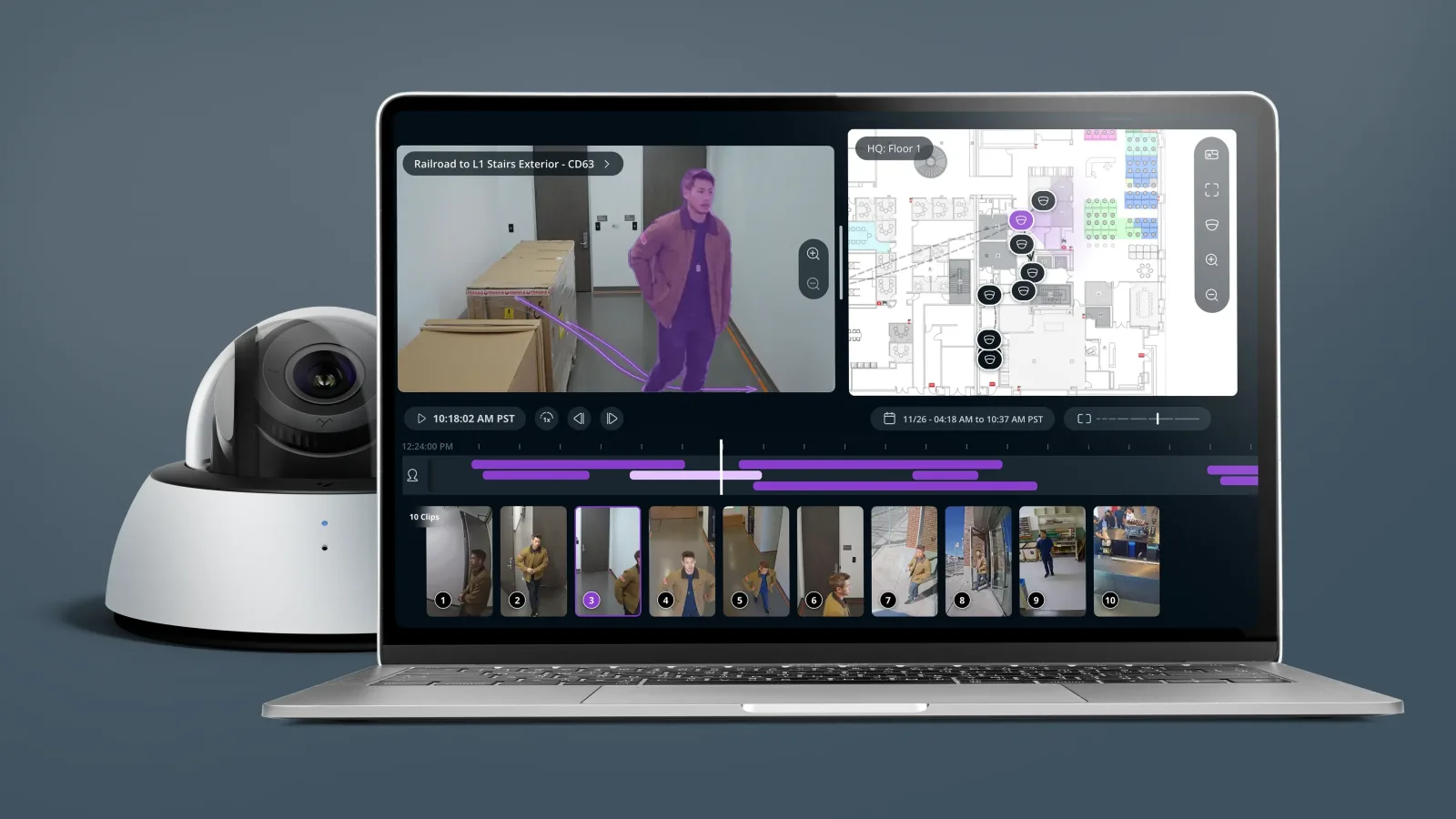
Verkada has secured an undisclosed investment from Nvidia and entered a technical partnership to accelerate AI-powered security across millions of connected devices worldwide.

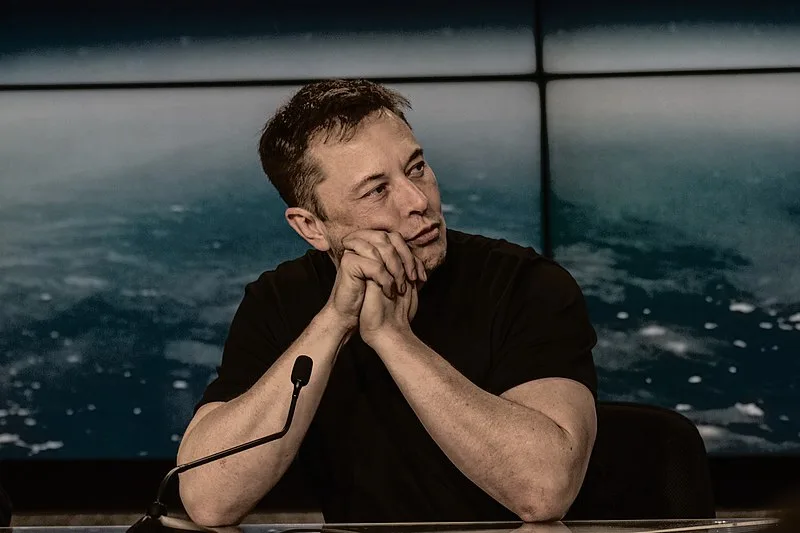
Reports suggest SpaceX previewed a handheld AI device prototype to investors prior to its IPO, but CEO Elon Musk dismisses these claims as false.
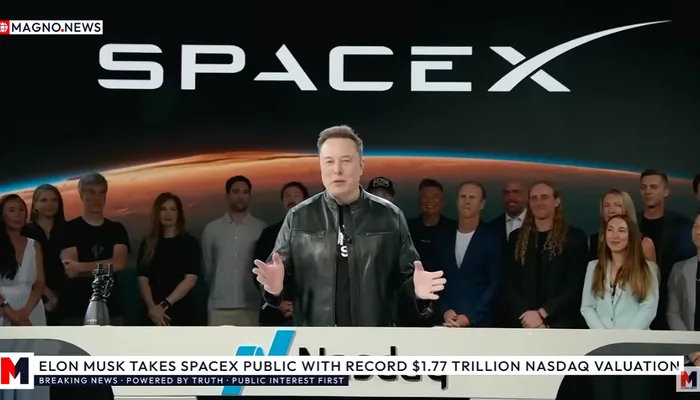
Elon Musk sharply rebuked New York Times columnist Nicholas Kristof after accusations that Musk’s reduction of aid led to preventable deaths, dismissing the claims as false.
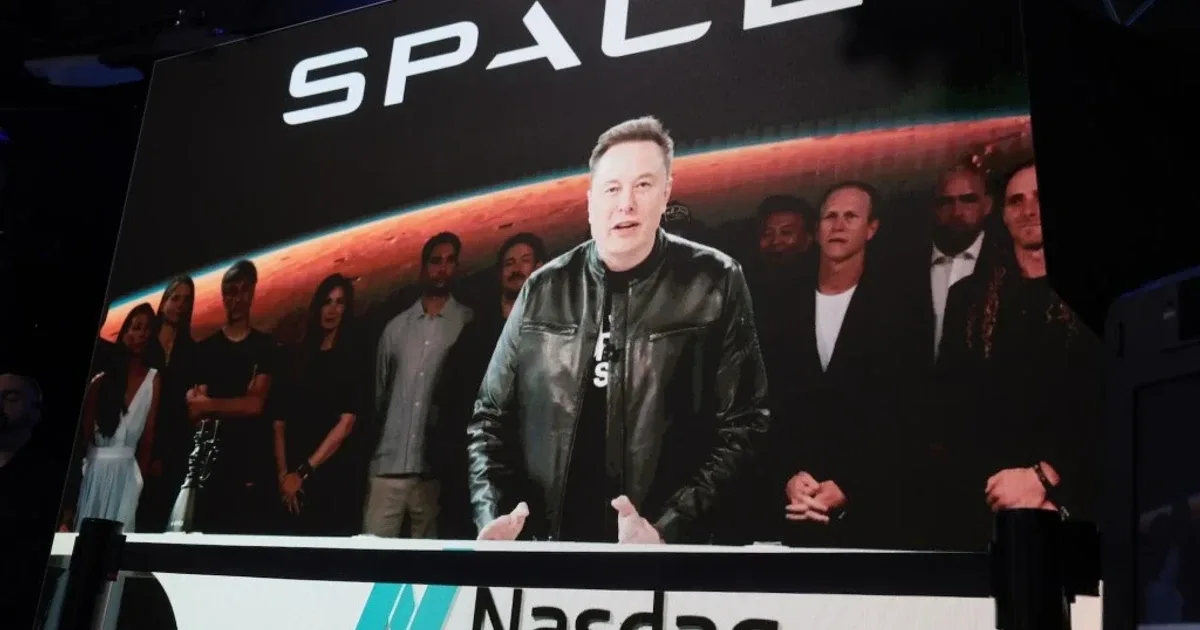
SpaceX reportedly showcased a sleek AI-powered handset prototype to investors, signaling expansion into wireless and AI technologies alongside Starlink before its IPO.
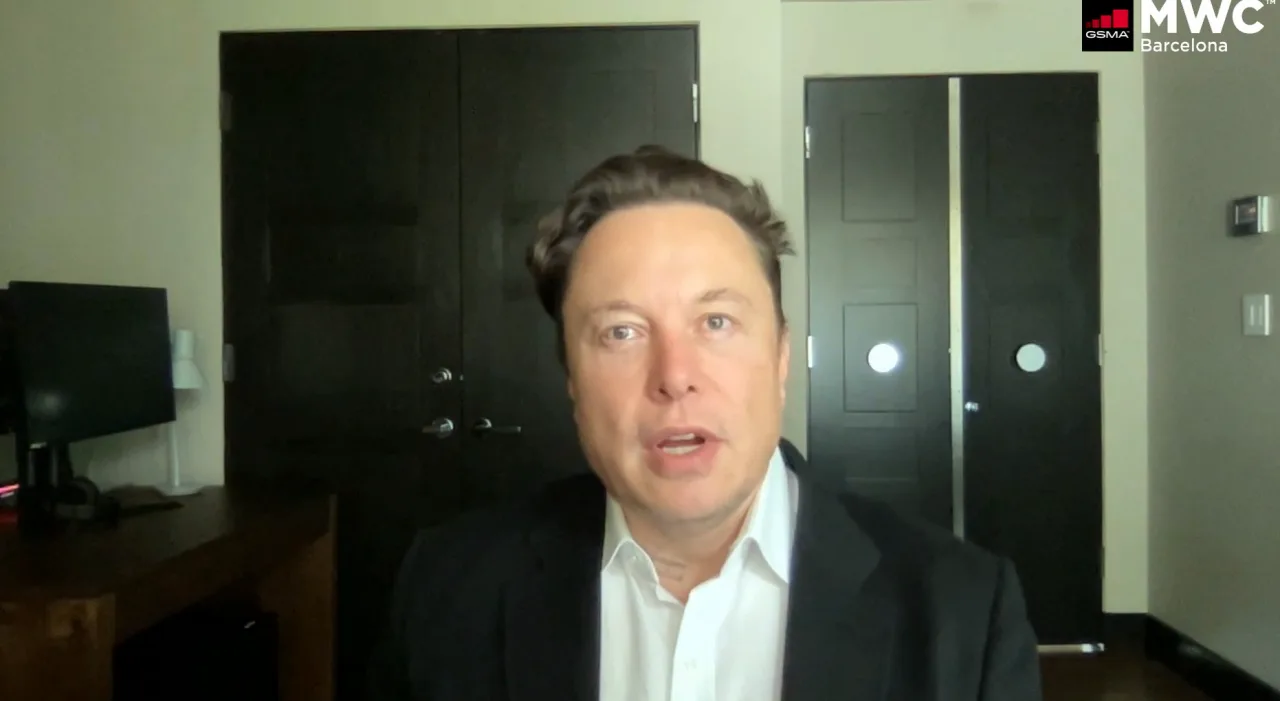
Elon Musk refuted reports that SpaceX revealed a slim AI device to investors before its IPO, but the denial has intensified rumors about the company's consumer AI ambitions.

NVIDIA has reportedly halted communication with partners about the rumored GeForce RTX 5050 9GB, suggesting the upgraded budget graphics card may be delayed indefinitely or cancelled.
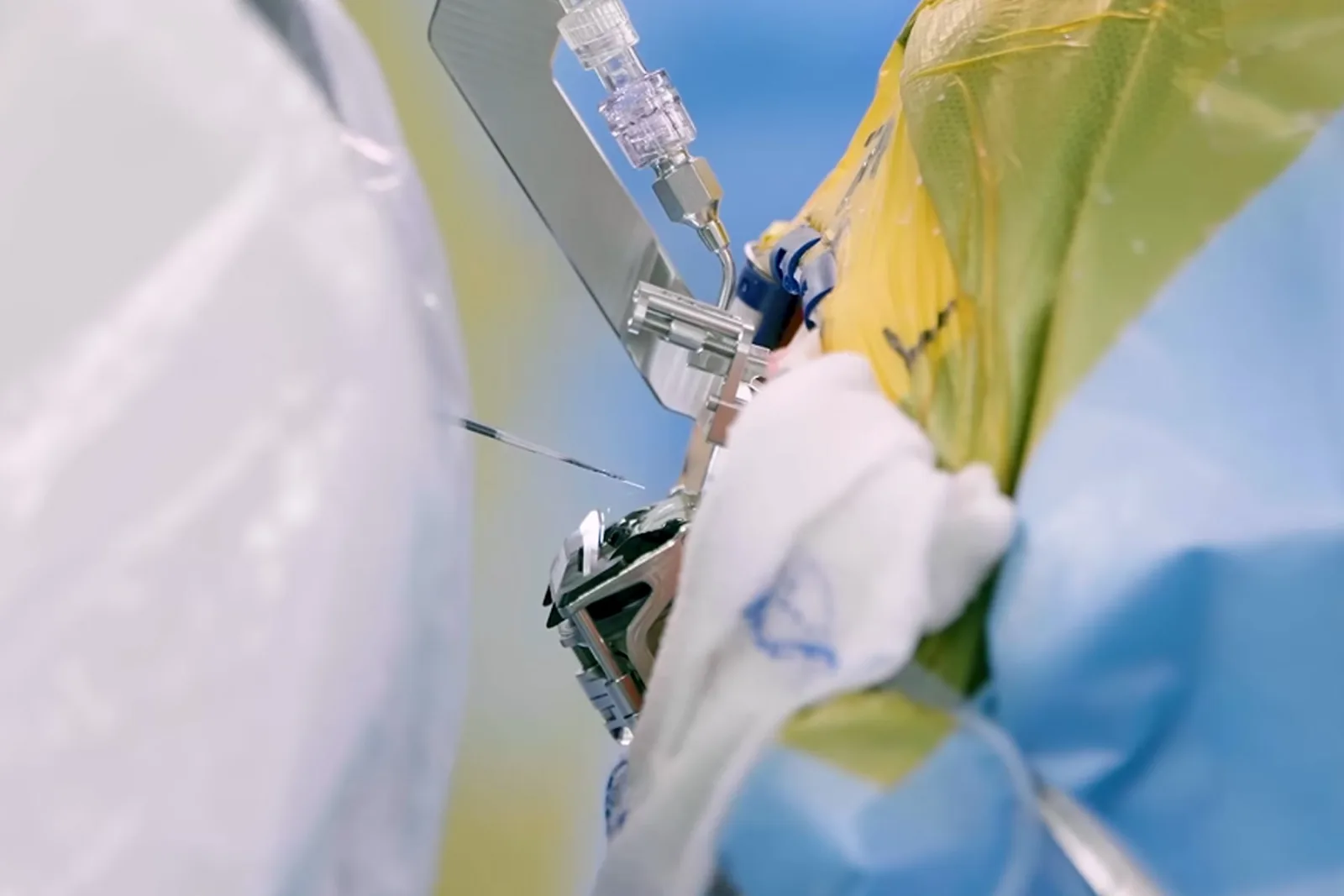
Neuralink performed its first transdural brain implant, implanting electrodes without removing the dura to reduce surgical risks and enhance scalability of brain-computer interfaces.