

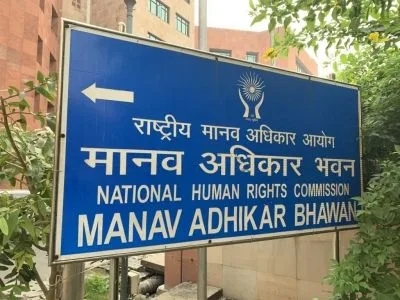
The National Human Rights Commission (NHRC) has called on the Ministry of Electronics and Information Technology to submit detailed, point-by-point action reports addressing Meta’s use of artificial intelligence in potentially promoting harmful content, including alleged child sexual abuse material (CSAM). This move highlights growing concerns over how AI technologies deployed by major platforms might inadvertently facilitate the circulation of illegal content.
In its request, the NHRC sought clarity on the mechanisms Meta employs to moderate AI-driven content, especially as applications of AI continue to expand across social media networks. The commission’s inquiry stems from reports suggesting that automated systems may have failed to effectively detect or block objectionable material, raising questions about the accountability of tech companies in overseeing AI content moderation.

Meta, a leading global social media corporation, incorporates AI to curate, filter, and personalize user content. However, the increasing complexity of AI algorithms can sometimes result in unintended consequences, such as amplifying harmful or inappropriate posts. The NHRC’s scrutiny stresses the need for transparent oversight to ensure these technologies align with human rights standards.
In response, the ministry has been asked to detail the steps taken so far to investigate Meta’s AI operations, including any measures to curb the spread of CSAM content. The NHRC emphasized the importance of continual monitoring, strict enforcement of regulations, and cooperation with companies to prioritize child safety and digital rights.
This inquiry aligns with broader international concerns about the ethical deployment of AI in digital environments. It reinforces governments’ role in safeguarding users from the potential risks posed by automated systems, ensuring legal compliance and protection against exploitation on widely used platforms.